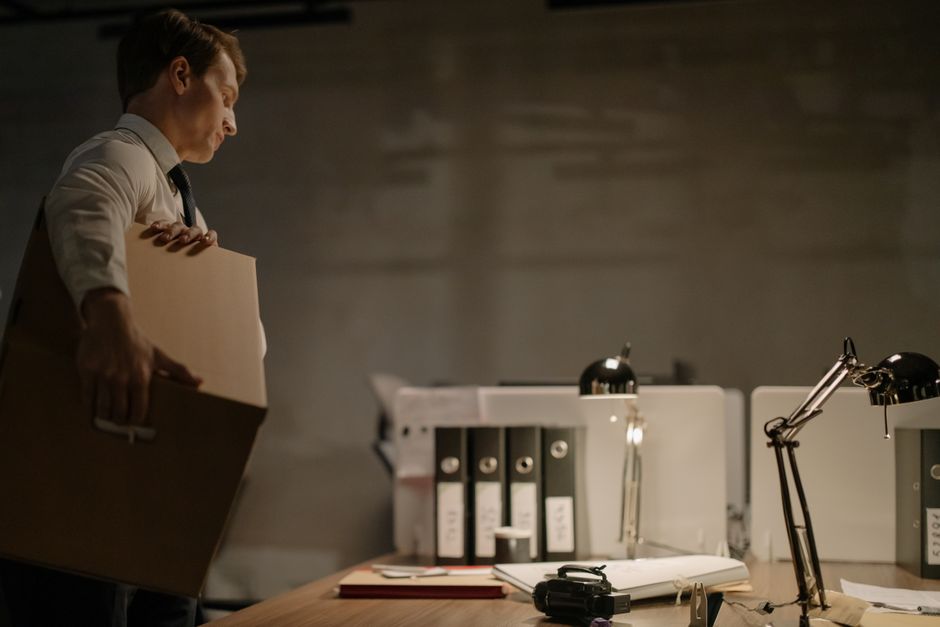
Office removals Maida Vale small business moves Sutherland Avenue
Posted on 17/06/2026

Office Removals Maida Vale Small Business Moves Sutherland Avenue
If you are planning office removals in Maida Vale or a small business move around Sutherland Avenue, the real challenge is rarely just lifting boxes. It is keeping the working week intact, protecting equipment, avoiding awkward building access issues, and making sure the move does not turn into a day of lost calls and missed deadlines. In a place like Maida Vale, where streets can be deceptively busy and building layouts vary from compact office spaces to converted premises, a calm, well-organised move makes all the difference.
This guide breaks down what the process looks like, who it suits, how to plan it properly, and what to watch out for. It also includes practical checklists, a comparison table, and the kind of local know-how that helps small businesses on Sutherland Avenue move without unnecessary drama. Let's face it, no one wants to be hunting for a charger or a missing client file at 8:30 on moving morning.
Why Office removals Maida Vale small business moves Sutherland Avenue Matters
Office relocations are different from household moves. There are usually more moving parts, more people relying on the space, and less tolerance for delay. If you run a small business on or near Sutherland Avenue, you are probably juggling phone calls, deliveries, invoices, and a few too many open browser tabs already. A move that drags on for an extra day can ripple through the whole week.
Maida Vale has its own rhythm. Parking can be tight. Access can be limited. Some buildings are straightforward; others, not so much. A good move plan protects the basics: computers, documents, desks, printers, stock, and the small but expensive bits that are easy to forget until they are wrapped in bubble wrap at the very end.
It also matters commercially. For a small business, downtime costs more than van time. A tidy office move can keep your team working, keep customer service online, and reduce the risk of breakages or data issues. That is why many owners start by reviewing the wider services overview and then narrowing down the exact support they need, rather than booking blind.
Practical takeaway: the best office move is not the fastest one on paper. It is the one that gets you back to work with the fewest surprises.
How Office removals Maida Vale small business moves Sutherland Avenue Works
Most small office moves follow a similar pattern, even if the details change from business to business. The process usually starts with a survey or a detailed call, where the mover learns what is being moved, how much packing support is needed, and whether access is straightforward. From there, the schedule is built around timings that suit your staff, your building, and your customers.
A sensible move plan normally includes packing, labelling, careful loading, transport, unloading, and placement at the new address. If you have IT equipment, confidential files, or awkward furniture, those items should be identified early. A desk is a desk, sure, but a networked workstation with a tangle of cables is a different story entirely.
In the Maida Vale area, local movers often think about road layout, parking availability, and whether there is a loading bay or a narrow entrance to work around. Around Sutherland Avenue, timing can matter quite a lot. Early starts can help avoid pressure later in the day, especially if staff need to get the space running again before clients arrive.
If your move is small and you do not need a full removal crew, a flexible vehicle-based solution may be enough. Some businesses compare a dedicated office move with a lighter option such as a man with a van service or a local man and van in Maida Vale. That choice usually depends on volume, access, and how much hands-on help you need.
Key Benefits and Practical Advantages
A well-managed office move is not just about getting everything from A to B. It is about preserving momentum. That sounds a bit corporate, maybe, but it is true. For small businesses, the practical benefits are immediate and easy to feel the next morning.
- Less downtime: Your team spends less time waiting around and more time serving clients.
- Better protection for equipment: Laptops, monitors, printers, and filing systems are moved in a controlled way.
- Cleaner organisation: Labels, room plans, and sequence planning help the new space come together faster.
- Lower stress for staff: People know what is happening and where they need to be.
- Less risk of damage: Trained handling reduces the chance of scratched furniture or crushed contents.
There is another benefit people sometimes overlook: confidence. When your team sees a move handled properly, they relax. That matters. Staff work better when they are not worrying about whether their monitor will survive the van ride.
For some businesses, the move is also a chance to tidy up old furniture, archive paperwork, or move non-essential items into storage in Maida Vale so the new office feels leaner from day one. A clean restart can be surprisingly energising.
Who This Is For and When It Makes Sense
This kind of move is ideal for small and medium-sized businesses that need a careful, local, and efficient relocation rather than a huge corporate project. Think of accountants, consultancies, design studios, small clinics, estate agencies, coaching practices, or small e-commerce teams with a modest amount of stock and office furniture.
It also makes sense if you are:
- moving from a shared workspace into a private office;
- upgrading to a larger unit because the team has grown;
- downsizing after hybrid work changed your space needs;
- splitting one office into two smaller rooms;
- relocating within Maida Vale, or just a short move along Sutherland Avenue.
If your current office is mostly desks, chairs, files, and a few computers, the move may be simpler than you expect. On the other hand, if you have specialist equipment, fragile stock, or a lot of tech cabling, it is worth treating the move as a proper project rather than a simple van job.
For businesses that also deal with larger domestic-style items in mixed-use spaces, it can help to compare office support with wider removal services in Maida Vale so you know where the boundaries are. No need to overbuy the service, but no point under-preparing either.
Step-by-Step Guidance
A smooth move is mostly about sequence. Get the order right and everything feels easier. Get it wrong and suddenly the kettle has gone missing. Again.
- Inventory the office. Make a list of furniture, equipment, files, and any items going into storage or disposal.
- Identify priority items. Mark the things that must be ready first: computers, phones, charging leads, key documents, and any daily-use equipment.
- Measure the new space. Check doorways, stairs, lifts, and room dimensions so large items do not become a day-one problem.
- Plan the packing method. Use clearly labelled boxes, and keep one box or crate for essential office opening items.
- Coordinate access. Confirm parking, building entry, loading arrangements, and any time restrictions.
- Back up your data. This is one of those steps that feels boring until it saves you a headache.
- Move in stages if needed. Some businesses move furniture first and IT equipment later, or shift archive material separately.
- Set up the new workspace. Put desks, screens, and team essentials in place before the first working day.
If you are planning a same-day handover, the exact timing matters even more. A short, carefully coordinated move can often be handled with a same-day removals option in Maida Vale, but only if the inventory is tight and the access is good. If in doubt, build in extra time. It sounds obvious, yet people forget this all the time.
Expert Tips for Better Results
The best office moves usually look boring from the outside. That is a compliment, by the way. Calm, predictable, and a little dull in the best possible way.
- Colour-code departments or zones. It speeds up unpacking and reduces internal confusion.
- Keep IT separate. Laptops, monitors, routers, and accessories should not be packed with random stationery.
- Use one central point of contact. Too many people giving instructions can turn a neat move into a muddle.
- Prepare a first-day essentials box. Put chargers, scissors, tape, pens, tea bags, and basic cleaning items together.
- Tell your clients early. A brief notice avoids missed calls and confusion. Simple, but important.
- Allow for building quirks. Old staircases, tight corners, and awkward lifts are common in local London moves.
In practice, a good mover will ask questions about access, the volume of items, and how fragile the contents are. If they do not ask, that is not always a red flag, but it does mean you should volunteer the information yourself. Better to sound a little overprepared than to discover the lift is too small at the worst possible moment.
If you want to understand how pricing is usually structured, it helps to review pricing and quotes before you commit. For smaller moves, transparency matters more than almost anything else.

Common Mistakes to Avoid
Small office moves go wrong for predictable reasons. The good news? Most of them are avoidable.
- Leaving packing until the last minute. This is the classic one. The move date arrives, and suddenly everyone is packing from their desk drawers.
- Not measuring furniture. A table that fits in one office may not fit through the next doorway.
- Forgetting parking access. In central and inner London, this can waste time quickly.
- Mixing essentials with non-essentials. That leads to frantic searching after the move.
- Ignoring fragile or valuable items. Screens, glass tops, and specialist equipment need extra care.
- Underestimating the time needed for setup. Moving in is not the same as being ready to work.
Another common issue is trying to save a little money by not booking enough help. It can work out more expensive if the move takes longer, items are damaged, or the team ends up doing manual lifting they were not prepared for. There is a point where "we'll manage" becomes a very expensive sentence.
For owners comparing self-managed support with professional help, it is worth reading up on removal companies in Maida Vale and the broader removals Maida Vale service range so you can match the solution to the size of the job.
Tools, Resources and Recommendations
You do not need a warehouse full of specialist tools for a small office move, but a few practical items make life much easier.
- Strong archive boxes: Good for files, stationery, and smaller office items.
- Labels and marker pens: The humble label saves hours later.
- Bubble wrap and protective blankets: Especially useful for screens, framed items, and glass.
- Cable ties and cable labels: Because loose leads are nobody's friend.
- Basic tool kit: Helpful for dismantling and reassembling desks or shelving.
- Spare chargers and extension leads: A lifesaver on the first morning in the new office.
For businesses that want a lighter move support model, the local man and a van in Maida Vale service can be a sensible fit for compact offices, while a dedicated removal van in Maida Vale is often useful when volume is a bit larger or the load needs more protected space.
And if you are moving a mix of office furniture and larger home-style items from a back room, the furniture removals page may also be relevant, especially where desks, shelving, or conference furniture need careful handling. Not glamorous. Just useful.
Law, Compliance, Standards, or Best Practice
For office removals, compliance is mainly about responsibility and good housekeeping rather than complicated legal language. Still, there are a few things to keep in mind.
Businesses should think about data protection when moving files, laptops, or devices that contain customer information. Confidential paperwork should be packed securely, tracked carefully, and moved in a way that protects privacy. That is just good practice, and it is especially important if your office handles sensitive client records.
Health and safety matters too. Manual handling should be planned properly, with attention to weight, awkward shapes, and stairs. Good movers will use sensible lifting methods, protective materials, and the right vehicle setup. If you want reassurance around standards and working practice, a company's health and safety policy and insurance and safety information are worth checking before the job begins.
There are also ordinary business protections to consider: clear terms, agreed timing, and a straightforward payment process. A move should feel organised, not mysterious. If the paperwork is hard to follow, that is usually a sign to slow down and ask more questions. The same goes for the moving day itself.
For clarity around service terms and conditions, it is sensible to review the provider's terms and conditions in advance. A quick read can prevent the kind of misunderstanding that is annoying now and very annoying later.
Options, Methods, or Comparison Table
Different office moves need different approaches. A compact consultancy relocation is not the same as a mixed-use office with storage, stock, and meeting-room furniture. Here is a simple comparison to help you choose the right style of move.
| Move type | Best for | What it usually includes | Main advantage |
|---|---|---|---|
| Small man-and-van move | Very compact offices or a few workstations | Loading, transport, unloading | Fast and flexible |
| Dedicated office removal | Businesses with furniture, files, and IT equipment | Packing support, careful handling, setup help | Better organisation and less risk |
| Phased relocation | Teams that cannot shut down all at once | Staged transport over one or more visits | Reduced downtime |
| Move with storage | Businesses downsizing or waiting for fit-out completion | Transport plus short- or medium-term storage | Extra breathing space |
The right option usually depends on three things: how much you are moving, how quickly you need to reopen, and how awkward the access is. If you are not sure, start with a proper quote and ask the mover to talk through the likely timings. A five-minute conversation can save a five-hour headache.
Case Study or Real-World Example
Picture a small design studio moving from a first-floor office near Sutherland Avenue into a slightly larger space a short distance away in Maida Vale. The team has eight desks, computer monitors, sample boards, boxed stationery, and a few pieces of office furniture they actually want to keep. Nothing huge, but enough to become messy if everyone tries to do everything at once.
They start by listing all equipment and splitting it into categories: essential IT, non-essential files, furniture, and items for disposal. Two staff pack the client files. One person labels cables and screens. Another checks the new office layout so desks can be placed in the right order on arrival. The mover arrives with the right vehicle size, and the loading is done in sections rather than one chaotic pile.
On arrival, the boxes are taken into the correct rooms straight away. The IT box is opened first, not the tea box, much as that may feel tempting. By late afternoon, the studio is operational again, if a little tired. The next morning, they are answering emails from the new office instead of hunting through piles of cardboard. That is the real win.
For a local business, that kind of result is the goal. Not perfection. Just a controlled, workable move that keeps things moving.
Practical Checklist
Use this checklist in the week before your move. It keeps the process grounded when everyone gets busy.
- Confirm the moving date and access times.
- Complete an inventory of all items to be moved.
- Decide what goes to the new office and what goes into storage.
- Back up digital files and secure confidential paperwork.
- Label boxes by room, team, or function.
- Pack a first-day essentials kit.
- Measure large furniture and check doorways and lifts.
- Arrange parking or loading access where needed.
- Tell clients and suppliers about the move.
- Set a clear time for reopening, even if it is a soft reopening.
Quick reminder: if the office has to stay live during the move, plan the essential work first. Keep the critical files, chargers, and logins separate. That one habit alone can make the whole day feel more manageable.
If you are comparing service levels, checking the full services we provide page can help you see how office support fits alongside other local moving options. And if you are pricing up a smaller load, it is worth reviewing man with van rates early, so the budget does not creep on you later.
Get a free quote today and see how much you can save.
Conclusion
Office removals in Maida Vale and small business moves around Sutherland Avenue work best when they are treated as a short project, not a rushed errand. The more clearly you plan the packing, access, timing, and setup, the easier it is to protect your working week and avoid unnecessary costs.
Whether you are moving a tiny office, a growing studio, or a modest business space with files and furniture, the key is to match the service to the job. That means being honest about volume, careful with technology, and realistic about the time needed to settle in properly. It is not glamorous, but it is very effective.
And once the last box is out, the last chair is in place, and the kettle starts boiling in the new office, it really does feel like a fresh start. That bit never gets old.