
Avoid damage packing fragile Little Venice Maida Vale removals
Posted on 25/06/2026
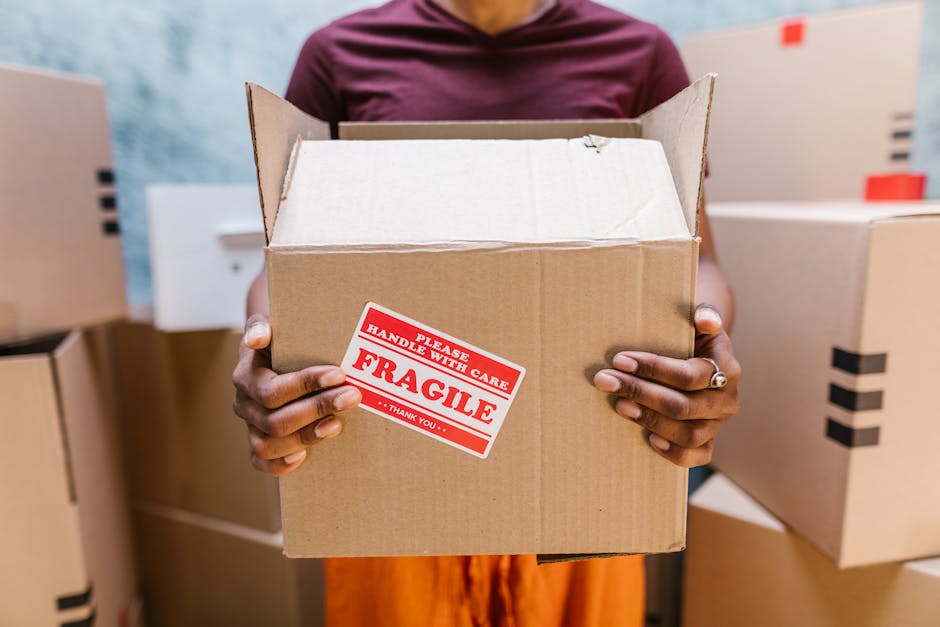
If you are moving in Little Venice or Maida Vale, fragile items can become the difference between a smooth day and a stressful one. Glassware, ceramics, mirrors, lamps, artwork, and even everyday kitchen bits all need a bit more thought than people usually give them. The good news? With the right packing method, a calm plan, and a little local know-how, you can avoid damage packing fragile Little Venice Maida Vale removals without turning the whole move into a military operation.
In a W9 move, the challenge is rarely just the packing itself. It is the stairs, the narrow hallways, the awkward parking, the quick stop-start rhythm, and that moment when someone says, "It'll be fine in a normal box." Usually, it won't. This guide walks you through the safest, most practical ways to protect fragile belongings, reduce breakages, and choose the right support when you want proper peace of mind.
Why Avoid damage packing fragile Little Venice Maida Vale removals Matters
Fragile packing is not just about "wrapping things well." It is about controlling movement, preventing pressure points, and making sure each item stays stable from the first lift to the last placement in the new home. That matters even more in Little Venice and Maida Vale, where many properties are flats, conversions, or period buildings with tighter access and more handling stages than people expect.
When items shift inside boxes, damage usually happens in one of three ways: impact, vibration, or compression. A cracked mug is annoying. A chipped heirloom plate is upsetting. A smashed lamp base or broken picture frame is often the point where a move stops feeling like a move and starts feeling like a costly clean-up. Let's face it, nobody wants to discover that after the van has already driven off.
There is also a time factor. If fragile items are packed badly, movers spend longer sorting, rewrapping, and reloading. That can make the day less efficient and, in a busy London street, a bit more chaotic. Good packing saves time as well as objects. A nice side effect, really.
For anyone wanting a broader sense of moving support in the area, it helps to understand the full picture of removals in Maida Vale and how specific services fit together. If you are moving out of a flat, you may also find flat removals in Maida Vale useful when planning access and handling.
How Avoid damage packing fragile Little Venice Maida Vale removals Works
The basic principle is simple: stop items from touching, stop them from moving, and stop the box from collapsing under its own weight. In practice, that means combining the right materials, the right box size, and the right packing order. The magic is not in one miracle material. It is in layers.
1. Cushion the item before boxing
Each fragile item should have its own wrap. Paper, bubble wrap, and soft padding all have a job to do. A plate needs edge protection. A glass needs a stable base and a little space around it. A frame needs corner protection because corners take the hit first, every time.
2. Build a stable base
Heavier items sit lower. Lighter items sit higher. That sounds obvious, but people still put random objects into random boxes and hope for the best. Don't. Use a firm base layer, then fill gaps so nothing rattles. If you can hear movement when you shake a sealed box, that box is not ready.
3. Control box weight
A fragile box should never be overloaded just because the contents are "small." A box of books and glass together is a bad idea. A box that is too heavy gets dropped more easily, and heavy loads crush delicate items beneath them. When in doubt, split contents into more boxes. It feels less efficient at the start, but it usually saves the day.
4. Label clearly and consistently
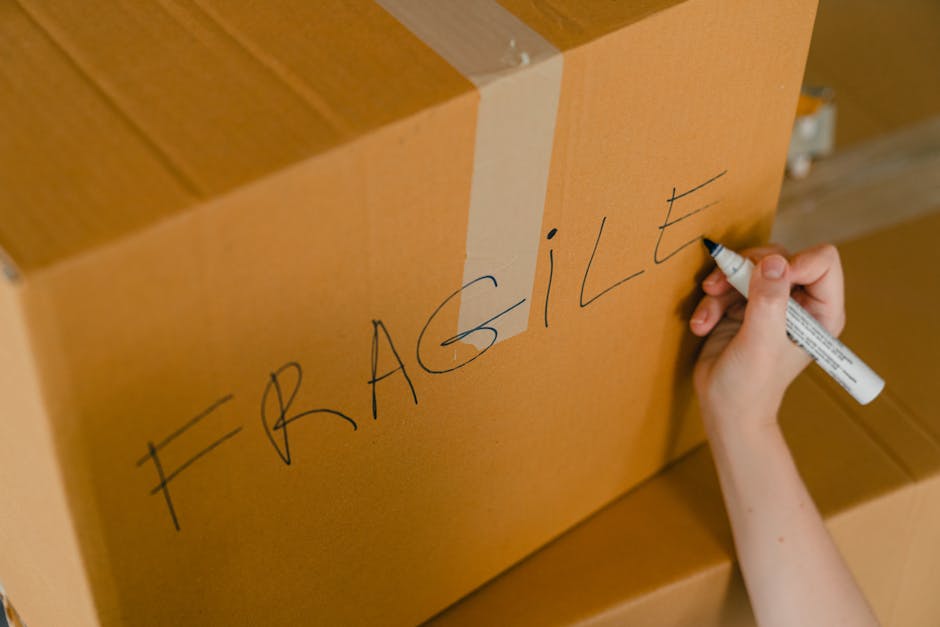
Labels should do more than say "fragile." Mark which side should stay up, which room the box belongs to, and whether the contents need immediate unpacking. A simple system is enough. Fancy colour coding is optional. Some people love it; some people will never use the right pen anyway.
5. Load the van with a plan
Packing does not stop at the box. The van load matters too. Fragile cartons should not be buried under heavy furniture or squeezed against loose items. If you want the job handled properly, a suitable vehicle and method matter, which is why choosing the right removal van in Maida Vale can make a real difference.
Key Benefits and Practical Advantages
Careful packing pays off in several ways, and not just in broken-item prevention. The biggest gain is calm. A move with fragile boxes done properly tends to feel more controlled from the start. That matters when you are juggling keys, building access, time slots, children, work calls, or all of the above.
- Fewer breakages: the obvious one, but still the main reason.
- Faster unloading: clear labels and stable packing make room placement easier.
- Less stress on moving day: people handle boxes more confidently when they are properly marked and packed.
- Better use of van space: efficient packing means fewer awkward gaps and less shifting en route.
- Lower chance of hidden issues: damage often leads to delays, complaints, or awkward claims conversations.
There is also a less obvious benefit: better packing makes your belongings easier to store if needed. If your completion date slips or your new place is not quite ready, having well-packed boxes can be very handy for storage in Maida Vale or for moving items in stages.
And if you are comparing moving support, it is worth reading about the wider services overview so you can see how packing, transport, and handling fit together instead of treating them as separate jobs.
Who This Is For and When It Makes Sense
This approach is for anyone moving fragile belongings in or around Little Venice and Maida Vale, but some people benefit more than others.
- Flat movers: if you are in a top-floor flat, conversion, or building with shared hallways, extra handling makes fragility more of a risk.
- Families: kitchens and living rooms tend to hold more breakable items than people realise until they start packing.
- Students: glasses, monitors, desk lamps, and small electronics often travel badly if packed in a rush. A student removals Maida Vale approach can be especially useful when the move is small but the items still matter.
- Musicians and collectors: records, instruments, framed prints, and ceramics often need more than basic wrapping.
- Anyone short on time: if you are planning a same-day or short-notice move, packing neatly matters even more. See same-day removals in Maida Vale for situations where speed and order have to work together.
It also makes sense if you are moving into a furnished or partially furnished place and need to protect a few treasured items rather than a whole household. Not every move is huge. Some are just tricky. There is a difference.
Step-by-Step Guidance
Below is a practical method you can actually use. No fluff. Just a sensible order that works.
Step 1: Sort fragile items by type
Keep glass, ceramics, artwork, mirrors, electronics, and sentimental items separate. Mixing them makes packing slower and increases the chance of the wrong material being used in the wrong place. A wine glass needs different treatment from a picture frame.
Step 2: Gather the right materials
Before you begin, make sure you have sturdy small boxes, wrapping paper, tape, bubble wrap or protective padding, markers, and soft filler. The quality of the box matters more than people think. Old supermarket boxes can be fine for light items, but not for things you would be sad to see bent or crushed.
Step 3: Wrap items individually
Do not stack bare items inside a box and call it done. Wrap each item separately, especially if it has edges, handles, or delicate surfaces. Plates can be wrapped in paper and packed vertically. Glasses need internal cushioning. Lamps should usually be broken down where possible.
Step 4: Fill empty space
Use packing paper, soft cloth, or inserts to stop movement. Empty space is the enemy. A box that sounds tidy can still be dangerous if the contents have room to slide around. That little rattle? That is the warning sign.
Step 5: Seal and label with intent
Use strong tape and write clear instructions. Add room names and handling notes such as "fragile glass," "top load only," or "open first." If something needs upright placement, say so plainly. Movers are not mind readers, no matter how experienced they are.
Step 6: Plan the load order
Put fragile cartons in a position where they will not be crushed. Ideally, they should be loaded after heavier furniture but before loose bits that might slide. In the new property, they should be unloaded early and placed in a safe, dry spot away from foot traffic.
Step 7: Unpack the most delicate items first
That sounds obvious, but many people wait until the end and end up with boxes stacked in every room. If you unpack fragile items early, you can check for damage while the memory of the move is still fresh. Helpful, if a bit boring. Still helpful.
Expert Tips for Better Results
Over time, small differences make a big impact. These are the practical habits that usually separate a decent pack from a genuinely good one.
- Use smaller boxes for fragile loads. Bigger is not better if it means more movement and more weight.
- Pad the bottom and top. Most people focus only on wrapping the item itself, then forget the base and lid.
- Protect corners first. Corner damage is common on frames, mirrors, and tabletops.
- Keep liquids away from valuables. One leak can ruin a whole box. It happens more than people expect.
- Label in plain language. "Fragile, kitchen glass" is better than a vague symbol nobody remembers.
- Set aside a personal essentials box. Keep passports, chargers, medication, keys, and a few valuables separate and under your control.
If you are moving a special item like a piano, the packing and handling rules change quite a bit. It is better to treat that as a specialist job and read about piano removals in Maida Vale rather than assuming a standard moving setup will do.
One more thing: never leave fragile boxes half-sealed because you "might add something later." That is how important items vanish into chaos. Simple rule, but worth repeating.
Common Mistakes to Avoid
The most common errors are usually small and easy to make when you are tired. They also tend to be the ones that cause the most damage.
- Using oversized boxes: too much movement, too much weight, too much risk.
- Wrapping too loosely: if an item can shift inside its wrap, it is not really protected.
- Mixing fragile and heavy items: this creates pressure damage and crushing.
- Leaving gaps inside boxes: a little void space becomes a lot of movement in a van.
- Ignoring labels: unlabeled boxes get handled like ordinary boxes, which is rarely what you want.
- Packing at the last minute: rushed packing usually means forgotten cushions and poor decisions.
- Assuming all removals are the same: a ground-floor house move and a top-floor flat move are not remotely identical.
There is a reason experienced movers ask about access, lift availability, and item type before loading. It is not fussing. It is prevention. If you want a better idea of what good local support should look like, compare the different man and van Maida Vale and man with a van service options with your actual needs in mind.
Tools, Resources and Recommendations
You do not need a warehouse full of supplies. But you do need the right basics. A few sensible items make packing much safer.
| Item | Best use | Practical note |
|---|---|---|
| Small sturdy boxes | Glassware, decor, collectibles | Better than large boxes for heavy fragile items |
| Packing paper | Wrapping plates, bowls, ornaments | Good for filling gaps too |
| Bubble wrap or padded wrap | Frames, lamps, electronics | Use extra on corners and edges |
| Strong tape | Sealing and reinforcing boxes | Weak tape is a false economy |
| Marker pen and labels | Room marking and fragile warnings | Clear labels save time on unloading |
| Blankets or soft covers | Extra surface protection during transit | Useful for furniture-adjacent fragile items |
If you want a wider safety-first perspective on moving, it is worth checking the company's insurance and safety information before booking. Good packing and good protection go hand in hand.
You may also want to explore packing and boxes in Maida Vale if you would rather use a service that already has the materials and process sorted. That can be a relief, especially on a busy weekday.

Law, Compliance, Standards, or Best Practice
For a normal household move, there is usually no special legal formality around how you pack your own fragile items. But there are still important best practices and responsibilities to keep in mind.
First, moving companies should handle goods with reasonable care, and customers should give accurate information about fragile items, access issues, and any special handling needs. If an item is unusually valuable or awkward, it is sensible to mention it early rather than assume the crew will spot the risk later.
Second, if a company offers packing, they should use sensible methods, suitable materials, and clear terms. You can review the company's own terms and conditions and the associated payment and security details so you understand what is covered and how services are arranged.
Third, if a move involves a building with restrictions, parking controls, or access rules, it is wise to prepare early. Local moving rules can affect timing and loading conditions, so reading about Westminster Council moving rules and Maida Vale removals fees can help you avoid last-minute surprises.
Best practice, in plain English, means this: be honest about what you have, pack in a way that prevents movement, and choose a service that understands fragile handling. That is the whole game, really.
Options, Methods, or Comparison Table
Different packing approaches suit different situations. Here is a simple comparison that may help you decide what is worth doing yourself and when a more structured service makes sense.
| Method | Best for | Pros | Watch out for |
|---|---|---|---|
| Self-packing with basic materials | Small, low-risk fragile items | Low cost, flexible, quick for simple loads | Often too casual for glass, art, or special items |
| Self-packing with proper materials | Most household fragile goods | Good control and decent protection | Requires time, patience, and discipline |
| Professional packing support | Busy moves, valuable items, awkward access | Less stress, more consistency, better handling | Usually costs more than doing it yourself |
| Hybrid approach | People who want to save money but protect key items | Good compromise for mixed-value contents | Needs clear decisions about what stays separate |
For larger or more complex moves, looking at house removals in Maida Vale or furniture removals in Maida Vale can help you decide whether your fragile packing can be handled as part of a broader move or needs extra care on its own.
Case Study or Real-World Example
A fairly typical Little Venice move might involve a one-bedroom flat with a mix of glassware, kitchen items, framed prints, a floor lamp, and a few sentimental pieces inherited from family. Nothing outrageous. But the property has a narrow staircase, a shared hallway, and limited loading space outside. The kind of move that looks simple until you start carrying things.
In one such scenario, the packing was split into three groups: daily-use kitchen fragile items, decorative items, and personal valuables. The kitchen items went into smaller boxes with vertical plate packing and paper cushioning. The framed prints were wrapped individually and reinforced at the corners. The sentimental pieces were packed last so they could be unloaded first.
The small change that made the biggest difference was box sizing. The original plan used a couple of large boxes. Those were replaced with more small ones, and suddenly the load became easier to carry, easier to stack, and far less likely to be crushed. No drama. No broken glass. Just a calmer move, which is honestly what people are usually hoping for.
That kind of outcome is also why many people pair careful packing with a trusted local moving team, sometimes through removal services in Maida Vale or a simpler man and a van in Maida Vale setup, depending on the size of the job.
Practical Checklist
Use this checklist the day before and again on moving morning. It keeps things moving, pardon the pun.
- Sort fragile items into clear categories.
- Use small, strong boxes for breakables.
- Wrap every item individually where possible.
- Pad corners, bases, and gaps.
- Keep heavy and fragile items separate.
- Seal boxes firmly with quality tape.
- Label each box with contents and destination room.
- Mark top-load-only or upright-only boxes clearly.
- Set aside valuables and essential documents.
- Check access, stairs, parking, and lift arrangements.
- Tell the movers about anything especially delicate.
- Inspect fragile boxes on arrival before stacking them away.
If you are comparing providers, you can also review removal companies in Maida Vale to see which type of service feels right for your move. Sometimes the best choice is simply the one that matches the real load, not the fanciest-sounding one.
Conclusion
Fragile packing does not need to be complicated, but it does need to be thoughtful. In Little Venice and Maida Vale, where access can be tight and moving days can unfold quickly, a careful method is worth far more than a rushed one. If you protect each item, use the right box size, keep weight sensible, and make loading instructions clear, you dramatically reduce the chance of breakage.
And if you would rather not handle the packing alone, that is perfectly reasonable. A good moving setup should make your life easier, not add another layer of stress. Use the support that fits your home, your timeline, and the items you care about. That is the sensible route, and in our experience, the calmer one too.
Get a free quote today and see how much you can save.


